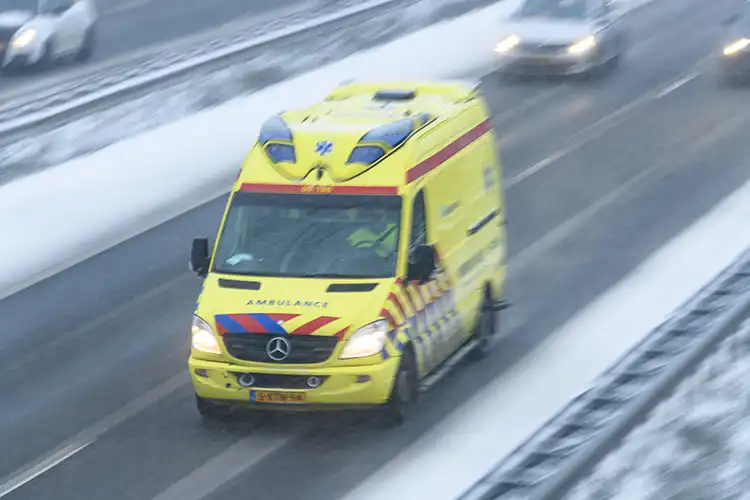
The tranquil waters of the Volkerak, a beloved stretch for leisure boating near Oude Tonge, were recently disturbed by an unforeseen emergency. What began as a routine day on the water quickly turned critical when a fire erupted on a yacht, prompting a swift and coordinated response from regional emergency services. This incident, an example of an unexpected Ongeval Oude Tonge, underscored the vital importance of preparedness and rapid intervention in saving lives and mitigating damage.
The emergency services in Zeeland were mobilized with urgency following reports of a fire on a pleasure craft. This event, while contained, serves as a poignant reminder of the potential dangers inherent in both maritime and terrestrial environments, calling for constant vigilance from residents and visitors alike.
The Volkerak Yacht Fire: A Swift Emergency Response
The calm morning near Oude Tonge was shattered around 11:20 AM when an urgent distress call reported a fire on a yacht navigating the Volkerak. The situation was immediately classified as critical, necessitating a rapid deployment of resources from various emergency agencies. The Sint Philipsland fire brigade, renowned for its expertise in water-based incidents, and the White Cross ambulance service were among the first responders dispatched to the scene, prepared for both firefighting and casualty care.
Initial reports indicated that a person had sustained injuries as a result of the blaze. The vessel, despite being aflame, was already en route towards the Krammersluizen, a strategic meeting point where multiple emergency units could converge. This forward movement by the vessel's occupants, likely an attempt to reach a safer or more accessible location, demonstrated a degree of quick thinking under duress. The coordinated strategy involved a collaborative effort at the locks, where medical personnel could tend to the injured individual, while fire suppression units tackled the active fire.
Ultimately, the burning yacht and the injured party were safely brought to shore at an alternate mooring point, allowing the comprehensive rescue and medical operations to proceed without further delay. The efficiency and seamless communication between the Zeeuwse hulpdiensten (Zeeland emergency services) were paramount in managing this complex situation, turning a potentially catastrophic event into a manageable rescue operation. The cause of the fire remains under investigation, highlighting the ongoing effort to understand and prevent such incidents in the future.
Unraveling the Cause: An Ongoing Investigation
While the immediate focus of the emergency services was on rescue and containment, the subsequent phase involves a thorough investigation into the fire's origin. The exact cause of the yacht fire on the Volkerak is currently unknown. Investigations into marine incidents are often complex, requiring expertise in areas such as electrical systems, fuel lines, engine mechanics, and onboard appliances. Understanding the root cause is crucial not only for accountability but also for informing future safety protocols and preventing similar incidents. This process of learning from every Ongeval Oude Tonge is vital for continuous improvement in safety standards, especially within the popular recreational boating community of the Volkerak and surrounding waters.
Broader Emergency Landscape: Understanding "Ongeval Oude Tonge"
The term "Ongeval Oude Tonge" (Oude Tonge Accident) encompasses a range of unfortunate incidents, from minor mishaps to severe emergencies, both on water and land. While the yacht fire captured immediate attention, it's important to recognize that Oude Tonge, like any vibrant community, can experience various types of incidents. For instance, a separate and profoundly tragic event occurred on the roads of Oude Tonge not long ago, illustrating the diverse challenges faced by local emergency responders.
On Friday afternoon, April 12, a devastating road accident took place on the Oudelandsedijk – N215. A 73-year-old motorcyclist from Oosterland tragically lost his life after colliding with a car carrying a mother and child. While the occupants of the car were physically unharmed, they were understandably deeply shaken by the incident. This heartbreaking event, detailed further in Tragic Oude Tonge Accident: Motorcyclist, 73, Dies on N215, underscores the constant need for vigilance and adherence to road safety measures. The cause of this collision also remains under investigation, reinforcing the unpredictable nature of accidents and the continuous efforts to enhance safety across all environments.
These two distinct incidents – a yacht fire and a fatal road collision – exemplify the breadth of emergencies that fall under the umbrella of "Ongeval Oude Tonge." They highlight the tireless efforts of emergency personnel who are prepared to respond to a multitude of scenarios, ensuring public safety whether on the waterways or the roads of this charming South Holland locale.
Prioritizing Safety: Lessons from Maritime and Road Incidents
Every incident, regardless of its scale, offers valuable lessons. The recent yacht fire on the Volkerak and the tragic motorcycle accident on the N215 both serve as stark reminders of the importance of proactive safety measures. By understanding common risks and adopting best practices, individuals can significantly reduce the likelihood of becoming involved in an Ongeval Oude Tonge.
Essential Maritime Safety Tips:
- Regular Vessel Maintenance: Ensure your yacht's engine, electrical systems, and fuel lines are regularly inspected and maintained by qualified professionals. Faulty wiring or fuel leaks are common causes of onboard fires.
- Equip for Emergencies: Always have properly maintained and accessible fire extinguishers on board. Additionally, ensure you have life jackets for everyone, a first-aid kit, flares, and a reliable means of communication (VHF radio, fully charged mobile phone in a waterproof bag).
- Practice Safety Drills: Familiarize yourself and your passengers with emergency procedures, including how to use fire extinguishers, operate bilge pumps, and abandon ship safely if necessary.
- Be Aware of Your Surroundings: Pay attention to weather forecasts, navigational hazards, and other vessels. Responsible seamanship can prevent collisions and grounding incidents.
- Emergency Contacts: Know how to contact local emergency services on the water (e.g., coastguard, port authority) and ensure your contact information is readily available.
For more specific details on the yacht fire incident, you can refer to One Injured: Yacht Fire on Volkerak Near Oude Tonge.
Crucial Road Safety Tips:
- Drive Defensively: Anticipate the actions of other drivers, cyclists, and pedestrians. Maintain a safe following distance and be prepared to react to unexpected situations.
- Adhere to Speed Limits: Speed limits are set for a reason, reflecting safe driving conditions. Exceeding them dramatically increases reaction time and accident severity.
- Avoid Distractions: Put away your phone, avoid eating or grooming, and focus solely on the road. Distracted driving is a leading cause of accidents.
- Vigilance for Vulnerable Road Users: Motorcyclists, cyclists, and pedestrians are more exposed in a collision. Always check blind spots, use turn signals, and give them ample space.
- Wear Appropriate Safety Gear: For motorcyclists, wearing a helmet, protective clothing, and reflective gear significantly reduces the risk of serious injury or fatality.
The Role of Emergency Services in the Zeeland Region
The success of the rescue efforts during the Volkerak yacht fire and the immediate response to the N215 road accident highlight the unwavering dedication and exceptional coordination of emergency services in the Zeeland region. In areas like Oude Tonge, which balances residential areas with popular recreational waterways and busy road networks, these services face unique challenges.
Responding to an incident on the water, such as a yacht fire, requires specialized equipment and training. Marine units, often working in conjunction with land-based fire brigades, need to navigate water conditions, understand vessel dynamics, and manage environmental concerns alongside firefighting and rescue. Similarly, road accidents demand swift traffic management, scene securing, and rapid medical intervention, often under high-pressure conditions.
The collective effort of the fire brigade, ambulance services, police, and other support organizations forms a critical safety net for the community. Their readiness, professional training, and ability to collaborate seamlessly are the bedrock of effective emergency response, ensuring that when an Ongeval Oude Tonge occurs, help is swift and comprehensive.
Conclusion
The recent emergencies in Oude Tonge, from the yacht fire on the Volkerak to the tragic road accident on the N215, serve as potent reminders of the unpredictable nature of life and the critical importance of safety awareness. While we cannot eliminate all risks, we can significantly reduce them through diligent preparation, adherence to safety protocols, and a responsible approach to both recreation and daily travel. The swift and professional response of the Zeeland emergency services in both incidents underscores their invaluable role in protecting our communities. Let these events be a call to action for every individual to prioritize safety, stay informed, and contribute to a more secure environment for all in Oude Tonge and beyond. By doing so, we honor those affected and empower ourselves to prevent future tragedies.