Tragic Oude Tonge Accident: A Community Mourns After Fatal N215 Motorcycle Crash
The tranquil landscape of Oude Tonge, a picturesque village on Goeree-Overflakkee, was shattered on Friday, April 12th, by a devastating road incident that claimed the life of a 73-year-old motorcyclist. The tragic **Ongeval Oude Tonge** occurred on the N215, specifically along the Oudelandsedijk, a route familiar to many locals and visitors alike. This heart-wrenching event serves as a stark reminder of the inherent risks on our roads and underscores the vital importance of continuous vigilance and adherence to safety protocols for all road users.
The news of the fatal collision has cast a pall over the community, prompting widespread discussions about road safety, the impact of such incidents on individuals and families, and the collective responsibility we all share in preventing future tragedies. While investigations are still underway to determine the precise cause of this particular **Oude Tonge accident**, the incident prompts a broader reflection on how we can enhance safety for vulnerable road users, especially as demographics shift and more seniors remain active on the roads.
The Tragic Incident: A Detailed Account of the Oude Tonge Accident
The afternoon of April 12th unfolded with a grim sequence of events on the N215. A 73-year-old man from Oosterland, navigating the Oudelandsedijk on his motorcycle, was involved in a collision with a car. Inside the vehicle were a mother and a child, whose lives were irrevocably touched by the incident, despite escaping physical harm.
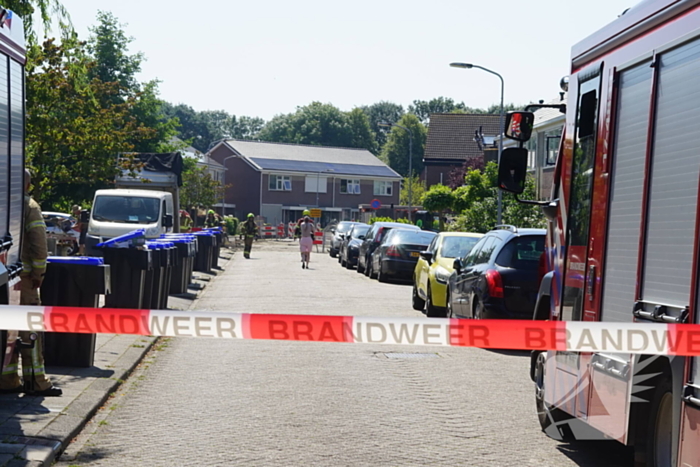
Emergency services, including paramedics and police, were swiftly dispatched to the scene, confronted with the severe aftermath of the crash. The motorcyclist sustained critical injuries and, despite immediate medical attention, tragically succumbed to his wounds. The impact on the mother and child, though physically unscathed, was profound. They were reported to be heavily shaken and received support at the scene, undoubtedly grappling with the shock and trauma of witnessing such a devastating event.
The precise circumstances leading to the collision remain shrouded in mystery, with authorities stating that the cause is yet unknown. This lack of immediate clarity often complicates the healing process for those affected, leaving unanswered questions that can linger long after the physical wounds have faded. The incident highlights the unpredictable nature of road travel and the suddenness with which life can change in an instant.
Road Safety in Focus: Navigating the N215 and Beyond
The N215, like many regional roads, presents its own unique set of challenges and characteristics. While not inherently dangerous, any road can become the site of tragedy when factors such as speed, inattention, or unforeseen circumstances converge. The **Oude Tonge N215 accident** underscores the need for all drivers, motorcyclists, and cyclists to remain acutely aware of their surroundings and to anticipate potential hazards.
Motorcyclist Safety Tips
*
Invest in Quality Gear: Always wear a DOT-approved helmet, protective jackets, gloves, trousers, and sturdy footwear. Proper gear can significantly reduce the severity of injuries in a crash.
*
Defensive Riding: Assume you are invisible to other drivers. Actively scan the road, anticipate potential dangers, and maintain a safe following distance.
*
Visibility is Key: Wear bright, reflective clothing, especially at dawn, dusk, or night. Use your headlights during the day.
*
Regular Training: Even experienced riders can benefit from refresher courses. Advanced riding techniques can enhance skill, awareness, and reaction times.
*
Maintain Your Bike: Regular checks of tires, brakes, lights, and fluid levels are crucial for safe operation.
Driver Vigilance and Awareness
*
Look Twice, Save a Life: Always perform thorough checks, especially when changing lanes, turning at intersections, or pulling out of driveways. Motorcyclists can be hard to spot.
*
Avoid Distractions: Put away your phone, avoid eating, and focus solely on the road. A moment's lapse in concentration can have severe consequences.
*
Respect Speed Limits: Adhere to posted speed limits and adjust your speed according to road conditions, weather, and traffic.
*
Give Space: Provide ample following distance to all vehicles, particularly motorcycles, as they can stop more quickly. Be mindful of their blind spots.
*
Anticipate and Predict: Try to anticipate the actions of other road users. Look for signs of potential maneuvers or hazards.
The Emotional Aftermath: Coping with Road Trauma
A fatal **motorcycle accident in Oude Tonge** leaves behind more than just physical wreckage; it leaves a profound emotional void and lasting psychological scars. The loss of a loved one, particularly in such sudden and violent circumstances, plunges families into an unimaginable state of grief. For the mother and child in the car, the experience, though without physical injury, can lead to post-traumatic stress, anxiety, and a deep sense of shock.
The Ripple Effect of Tragedy
The impact of a fatal accident extends far beyond those directly involved. It affects friends, neighbors, emergency responders, and the wider community. Each incident serves as a painful reminder of life's fragility and the importance of supporting one another through times of crisis. Communities often come together, offering solace, practical help, and a collective space for mourning.
Seeking Support After a Traumatic Event
Coping with the aftermath of a traumatic event like the **Oudelandsedijk crash** is a deeply personal journey, but no one should have to face it alone.
- Professional Help: Therapists, counselors, and grief support groups can provide invaluable assistance in processing trauma and grief.
- Community Support: Leaning on friends, family, and community networks can provide comfort and practical assistance.
- Allow Time to Heal: There is no set timeline for grieving or recovering from trauma. Be patient and kind to yourself or those affected.
Oude Tonge: A Community Responds to Emergency
The community of Oude Tonge and the wider Goeree-Overflakkee region are no strangers to emergency situations, demonstrating resilience and effective response mechanisms. While the **Ongeval Oude Tonge** on the N215 tragically resulted in a fatality, the swift action of local emergency services is a constant and reassuring presence in times of crisis.
Rapid Response and Community Resilience
Just as they responded promptly to the fatal motorcycle crash, Oude Tonge's emergency teams are prepared for a variety of incidents. For instance, the prompt actions of the Zeeuwse hulpdiensten were evident during an incident involving a yacht fire on the Volkerak. As detailed in related reports, emergency services, including the Sint Philipsland fire department and the White Cross ambulance, were dispatched urgently for a fire on a pleasure craft, demonstrating their coordinated and rapid response capabilities. For more details on this specific event, read about
One Injured: Yacht Fire on Volkerak Near Oude Tonge. The quick mobilization and collaborative efforts to address such emergencies are crucial in mitigating damage and saving lives, whether on land or water. Further insights into the collaborative efforts during that incident can be found in
Oude Tonge Emergency: Rescue Efforts After Volkerak Yacht Fire. These instances collectively highlight the commitment of Oude Tonge's emergency responders to the safety and well-being of its residents and visitors.
Learning from Incidents: Enhancing Local Safety Measures
Each incident, no matter how tragic, offers an opportunity for reflection and improvement. Authorities often review accident sites, traffic patterns, and existing infrastructure to identify potential enhancements. This continuous process of analysis and adaptation is crucial for improving road design, implementing better signage, or even adjusting traffic regulations to enhance overall safety for everyone. Community feedback and local insights play a significant role in informing these decisions, ensuring that safety measures are tailored to the specific needs of areas like the N215 and Oudelandsedijk.
In conclusion, the fatal **Ongeval Oude Tonge** on the N215 is a profound tragedy that serves as a powerful call to action. It reminds us of the preciousness of life, the devastating consequences of road accidents, and the shared responsibility we all bear in fostering a culture of safety. As the community mourns the loss of the 73-year-old motorcyclist from Oosterland, let this unfortunate incident be a catalyst for renewed commitment to vigilance, defensive driving, and compassionate support for all those affected by road trauma. By working together, we can strive to make our roads safer and prevent such heartbreaking events from occurring again.